Python Course
Python is consistently ranked as the world’s most popular and versatile programming language — powering everything from web development and data analytics to artificial intelligence and automation. Our Python — Analytics & AI Essentials course provides a comprehensive, structured learning path covering Python fundamentals, data structures, file handling, statistical analysis, Pandas, NumPy, Sklearn, Matplotlib, data manipulation, exception handling, database connectivity and professional data visualisation.
- Recognized Certification
- Beginner Friendly Course
- Practical Computer Training
- Industry Expert Trainer
- Government Recognized Certification
- Beginner Friendly Course
- Practical Computer Training
- Industry Expert Trainer

About Course
In the rapidly evolving landscape of technology, Python has emerged as the definitive programming language for data science, artificial intelligence, machine learning, automation and web development. Its clean syntax, extensive library ecosystem and unparalleled versatility make it the first choice for developers, data analysts and AI engineers worldwide.
The Python — Analytics & AI Essentials course at Anubhav Computer Institute is a professionally structured, comprehensive program designed to take students and working professionals from the foundational principles of Python programming all the way through to advanced data analytics and AI applications. Every concept is reinforced through practical, hands-on coding exercises and real-world projects that mirror industry requirements — ensuring participants are fully prepared to apply their Python skills in a professional environment from day one.
From understanding core Python syntax and data structures to working with industry-standard libraries such as Pandas, NumPy, Sklearn and Matplotlib — this course covers the complete Python toolkit required for data analytics and AI development. Upon completion, participants will possess a thorough, industry-relevant understanding of Python — making them highly competitive candidates for roles in data science, software development, data analytics, machine learning and business intelligence.
What You Will Learn
- Establish a strong foundation with a comprehensive Introduction to Python & AIML
- Master Python’s core Data Structures — lists, tuples, sets, dictionaries and more
- Work confidently with File Handling & Overview of Libraries for real-world programming
- Apply Statistical Analysis using NumPy for numerical computing and data operations
- Leverage Pandas, NumPy, Sklearn and Matplotlib for complete data analytics workflows
- Perform advanced Data Manipulation & Aggregation in Pandas for professional analysis
- Write robust, production-quality code using Exception Handling techniques
- Manage Database Connectivity & Data Management using Python and SQL integration
- Create compelling Data Visualisations using Matplotlib & Seaborn for business reporting
Tools You Will Learn
Learn industry-relevant tools with practical training designed to make you confident, skilled, and job-ready.






Python Course Curriculum
This program covers important concepts and practical skills required for today’s digital world.
Module 1 : Introduction to Python
- Understanding the role of Python in the programming landscape
- Setting up the development environment (IDE, Python interpreter)
- Writing and executing your first Python program
- Basic syntax and code structure
Module 2: Python Fundamentals
- Variables, data types, and type conversion
- Operators and expressions
- Input and output handling
- Comments and code documentation
Module 3: Control Flow
- Conditional statements (if, elif, else)
- Logical operators and boolean expressions
- Looping structures (for loops, while loops)
- Iterating through sequences and collections
Module 4: Data Structures
- Lists, tuples, sets, and dictionaries
- Accessing and manipulating data in data structures
- List comprehensions and built-in functions
Module 5: Functions and Modules
- Understanding file handling in Python — reading from and writing to files
- Working with text files — open, read, write, append and close operations
- Working with CSV files using Python’s built-in CSV module for data import and export
- Working with JSON files for structured data storage and API data handling
- Understanding Python’s standard library — os, sys, math, datetime and random modules
- Introduction to Python’s package management system — installing libraries using pip
- Overview of key data science libraries — NumPy, Pandas, Matplotlib, Seaborn and Sklearn
- Best practices for organising and structuring Python projects professionally
Module 4: Statistical Analysis Using NumPy
- Understanding what NumPy is and why it is the foundation of Python data science
- Creating and manipulating NumPy arrays — one-dimensional and multi-dimensional
- Understanding array indexing, slicing and reshaping for data preparation
- Performing arithmetic operations, broadcasting and vectorised computations with NumPy
- Applying statistical functions — mean, median, standard deviation, variance and correlation
- Working with NumPy’s random module for data simulation and statistical sampling
- Using NumPy for matrix operations — dot products, transpose and matrix multiplication
- Real-world exercises — performing statistical analysis on business and scientific datasets
Module 5: Pandas, NumPy, Sklearn and Matplotlib
- Understanding the Pandas DataFrame and Series as the core data structures for analysis
- Loading data into Pandas from CSV, Excel, SQL and JSON sources
- Exploring and profiling datasets — shape, info, describe and value counts
- Introduction to Sklearn — understanding the machine learning workflow in Python
- Preparing data for machine learning — feature selection, encoding and scaling
- Building your first machine learning model using Sklearn — linear regression and classification
- Introduction to Matplotlib — creating basic charts and plots for data visualisation
- Integrating NumPy, Pandas, Sklearn and Matplotlib in a complete end-to-end data project
Module 6 : Data Manipulation & Aggregation in Pandas
- Selecting, filtering and slicing data using loc, iloc and conditional filtering
- Handling missing data — identifying, filling and dropping null values professionally
- Applying data transformation — renaming columns, changing data types and sorting
- Merging, joining and concatenating DataFrames for multi-source data integration
- Grouping data using GroupBy for category-level summarisation and aggregation
- Applying pivot tables and crosstabs for structured data summarisation
- Using apply, map and lambda functions for custom data transformations
- Real-world exercises — cleaning, transforming and analysing messy business datasets
Module 7: Exception Handling for Robust Code
- Understanding how Python connects to relational databases for data management
- Connecting Python to SQLite for lightweight, file-based database operations
- Connecting Python to MySQL using the mysql-connector-python library
- Executing SQL queries from Python — SELECT, INSERT, UPDATE and DELETE operations
- Using Pandas with SQL — reading database tables directly into DataFrames
- Managing database transactions — committing and rolling back changes safely
- Working with ORM concepts — an introduction to SQLAlchemy for database abstraction
- Real-world exercises — building a Python application that reads and writes to a live database
Module 8: Database Connectivity & Data Management
- Understanding the importance of data visualisation in analytics and reporting
- Creating core Matplotlib charts — line plots, bar charts, histograms and scatter plots
- Customising Matplotlib visuals — titles, labels, colours, legends and figure sizing
- Creating subplots for multi-chart dashboard layouts in a single figure
- Introduction to Seaborn — advanced statistical visualisation built on Matplotlib
- Creating Seaborn visuals — heatmaps, pair plots, box plots and violin plots
- Visualising distributions, correlations and trends in real-world datasets
- Exporting and saving visualisations in professional formats for reports and presentations
- Final project — building a complete data analysis and visualisation report using Python
Module 9: Data Visualisation Using Matplotlib & Seaborn
- Understanding the importance of data visualisation in analytics and reporting
- Creating core Matplotlib charts — line plots, bar charts, histograms and scatter plots
- Customising Matplotlib visuals — titles, labels, colours, legends and figure sizing
- Creating subplots for multi-chart dashboard layouts in a single figure
- Introduction to Seaborn — advanced statistical visualisation built on Matplotlib
- Creating Seaborn visuals — heatmaps, pair plots, box plots and violin plots
- Visualising distributions, correlations and trends in real-world datasets
- Exporting and saving visualisations in professional formats for reports and presentations
- Final project — building a complete data analysis and visualisation report using Python
Want Complete Details About the Course?
Get complete information about the Course
Key Highlights of the Course
Explore the important features and benefits that make the program a valuable certification for computer learning.
Recognized
Certification
Practical Lab
Training
Industy Expert
Trainer
Updated Course
Curriculum
Flexible Learning
Batches
Hands-on
Practice
Want Complete Details About the Course?
Get complete information about the Course
Start Your Learning Journey
Get started with a simple enrollment process and begin developing your skills with structured learning.
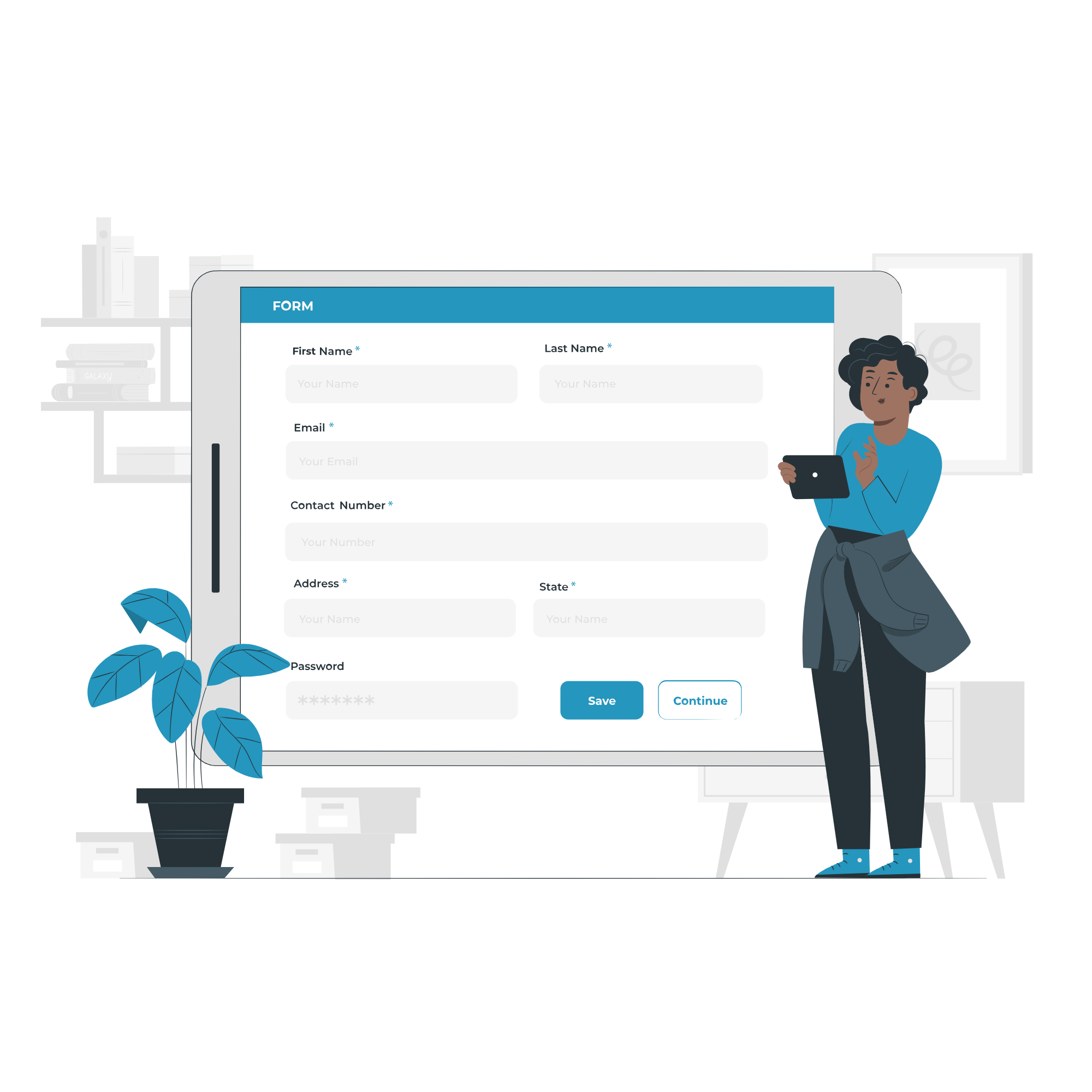
1. Fill the Enquiry Form
Submit your details through the website form to show your interest in the course.

2. Get Career Guidance
Our team will contact you to explain the course details, syllabus, batch timings, and answer your questions.

3. Enroll for Course
Confirm your seat by completing the registration process and submitting the required details.

4. Start Your Classes
Attend practical training sessions and begin learning essential computer and digital skills.
A Certification That Builds Digital Confidence
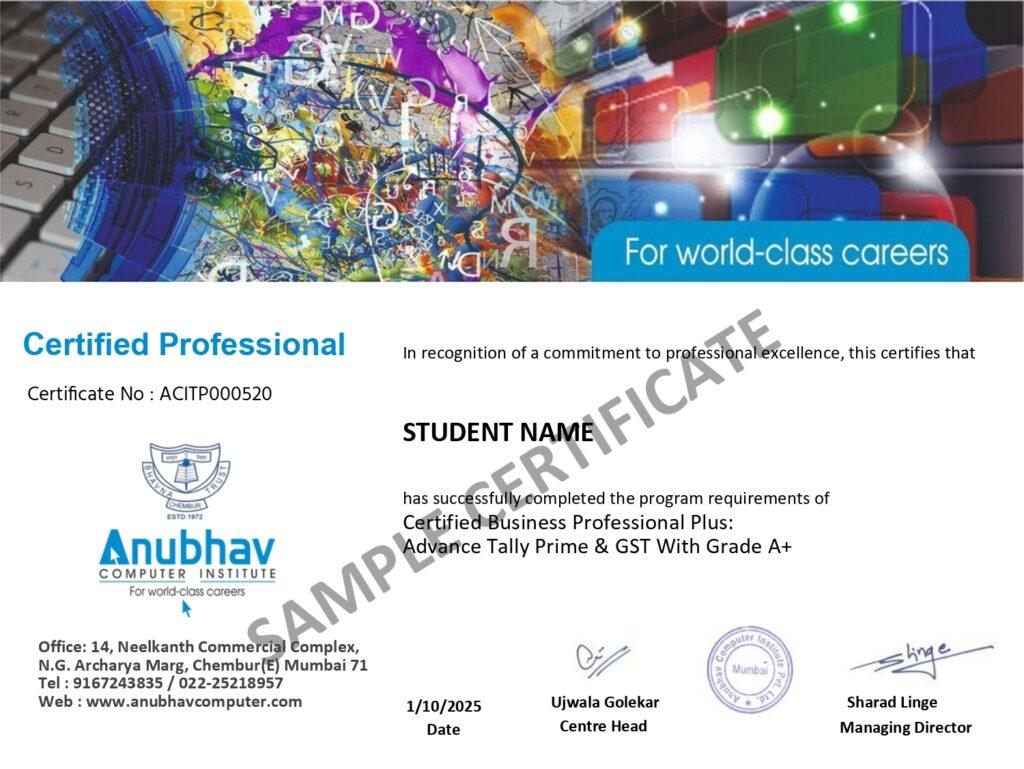
Earn the Recognized certification that validates your computer knowledge and digital skills required in today’s technology-driven world.
Industry Recognized Certification
Receive the Industry Recognized and a Trusted certification that demonstrates your ability to use computers and digital tools effectively.
Practical Computer Skills
The course is designed with a practical approach, enabling students to develop skills and gain experience using industry-relevant tools and techniques.
Valuable for Career Growth
The program follows a practical learning approach, enabling students to build strong skills and gain hands-on experience.